Hiking Guides
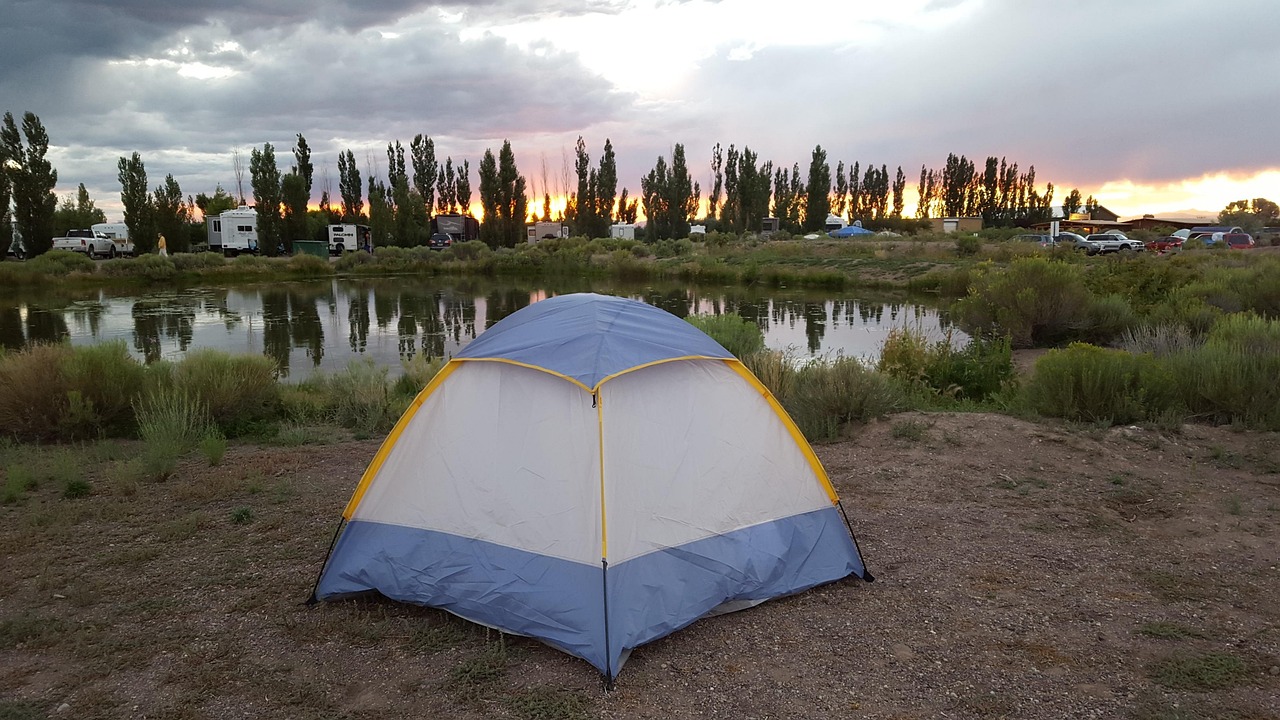
Wild camping has a romantic pull that is hard to resist: a small tent, a quiet pitch, the sound of a stream and no one else around. In the UK, though, the reality is more complicated than the Instagram version suggests. Wild camping is only legal without permission in certain places, most notably Dartmoor, and even there the rules have been contested in recent years. In the Lake District, Snowdonia and the Peak District, you technically need the landowner's permission, though a long-standing tradition of lightweight, leave-no-trace camping on high ground persists in practice.
That does not mean you should not do it. It means you should do it thoughtfully. The unwritten code among responsible wild campers is simple: arrive late, leave early, stay high and stay small. Pitch on bare ground well away from water, paths and buildings, never in enclosed fields or on farmland, and never in a spot that looks like it might be someone's livelihood. If you are challenged by a farmer or ranger, be polite, explain yourself and move on without argument. Most conflicts come from people who camp badly, not from camping itself.
A lightweight tent is the obvious starting point, but the details matter. Look for something that pitches fly-first so the inner stays dry in rain, and practise putting it up at home before you rely on it in the dark. A sleeping mat with a decent insulation value is more important than a fancy sleeping bag in most UK conditions, because the cold comes up through the ground. A three-season bag rated to around freezing will cover most summer and shoulder-season trips in the Lakes.
Cooking should be simple. A small gas stove, a titanium pot and a spork will handle rehydrated meals, noodles and coffee. Do not build fires. They scar the ground, and in popular spots the evidence of old fire rings is a real problem. Carry out everything you bring in, including food waste and any toilet paper, which should go in a sealed bag. If you need the toilet, dig a small hole well away from water and paths, and bury it properly.
Water is the other big consideration. Streams high on the fells are generally cleaner than lowland sources, but you should still filter or boil water if you are unsure. Take enough fuel to boil what you need, and carry a spare canister on longer trips. Weather can turn quickly, so pitch somewhere sheltered from the prevailing wind, and avoid camping under trees or on obvious flood plains after heavy rain.
Finally, tell someone where you are going and when you expect to be back. Wild camping is quiet and self-reliant, but it is not an excuse to disappear without a plan. Done well, it is one of the most rewarding ways to experience the UK's national parks. Done badly, it damages the very places we go to enjoy. The difference is entirely in the choices you make.
