Outdoor Skills
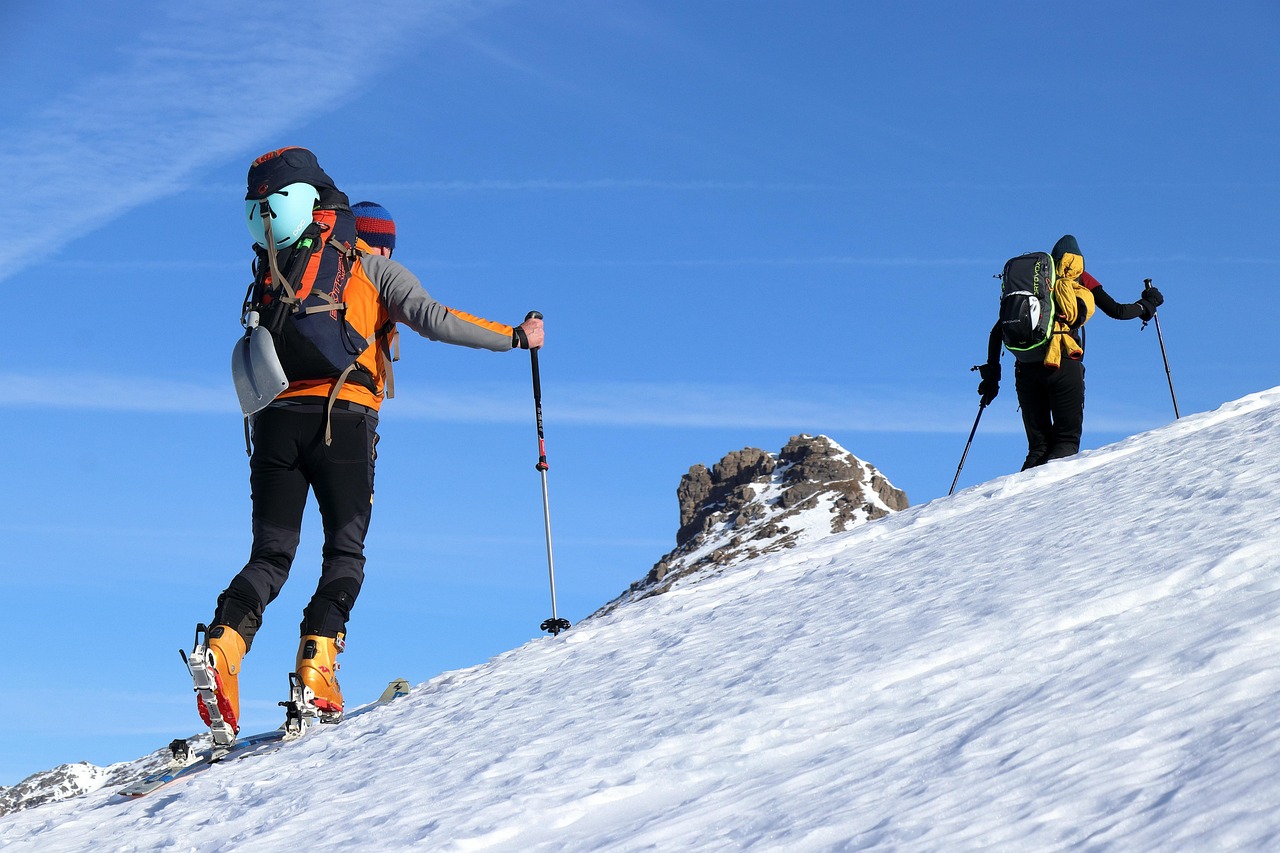
Ask ten hillwalkers what they carry and you will get ten different answers, usually delivered with strong opinions. Some will tell you a windproof smock and a packet of Kendal mint cake is all you need. Others will produce a rucksack that looks like they are planning to summit Everest. The truth, as ever, is somewhere in the middle — and it depends on the season, the route and how far from help you are going to be.
The British hills are not high, but they are unpredictable. A day that starts in sunshine can end in wind and horizontal rain, and the difference between a good day and a bad one is often a single extra layer and a working headtorch. Here is a realistic kit list for a full day out in the national parks.
Start with the three essentials that should never leave your pack, whatever the forecast: waterproof jacket and trousers, spare warm layer, and a headtorch. Add a map and compass of the area, even if you are using a phone. A basic first-aid kit, a whistle, and an emergency shelter or bivvy bag round out the safety basics. These items together weigh very little and cover the situations that actually go wrong.
For clothing, dress in layers. A base layer that moves sweat away from your skin, a mid-layer for warmth, and a shell for wind and rain. Avoid cotton next to your skin, especially in cold weather — it holds moisture and chills you when you stop. Walking trousers or leggings that dry quickly are far better than jeans. Gloves and a hat live in your pack year-round; you will be amazed how often you need them in June.
Footwear is the one place not to skimp. A pair of well-fitting walking boots or sturdy trail shoes, broken in and suited to the terrain, will do more for your day than any other piece of kit. Add a spare pair of socks for river crossings or wet feet. If your route involves steep ground, consider trekking poles — they save your knees on long descents and help with balance on rough paths.
Carry more water than you think you need and more food than you plan to eat. A litre and a half is a reasonable minimum for a full day, more in summer. Food should be easy to eat on the move — sandwiches, oatcakes, nuts, dried fruit, flapjack. A flask of hot tea is a small luxury that transforms a cold lunch stop.
The small items matter more than people expect. A dry bag or two keeps your spare layers and phone dry. A sit mat weighs nothing and makes a lunch stop much more comfortable. Sunscreen and sunglasses are genuinely necessary in the hills, even when it is cloudy — UV reflects off water and snow, and windburn is real. A small repair kit with tape and a spare lace can rescue a day.
Finally, think about what you are carrying it all in. A 25 to 35 litre rucksack suits most day walks. It should sit comfortably on your hips, not hang off your shoulders, and everything inside should be packed so that the things you need most — waterproofs, snacks, water — are easy to reach without unpacking the whole bag.
Build your kit list over time, test it on short walks, and adjust as you learn what you actually use. The best kit is the kit you know how to use and trust to work. Everything else is just weight.
