Family Walks
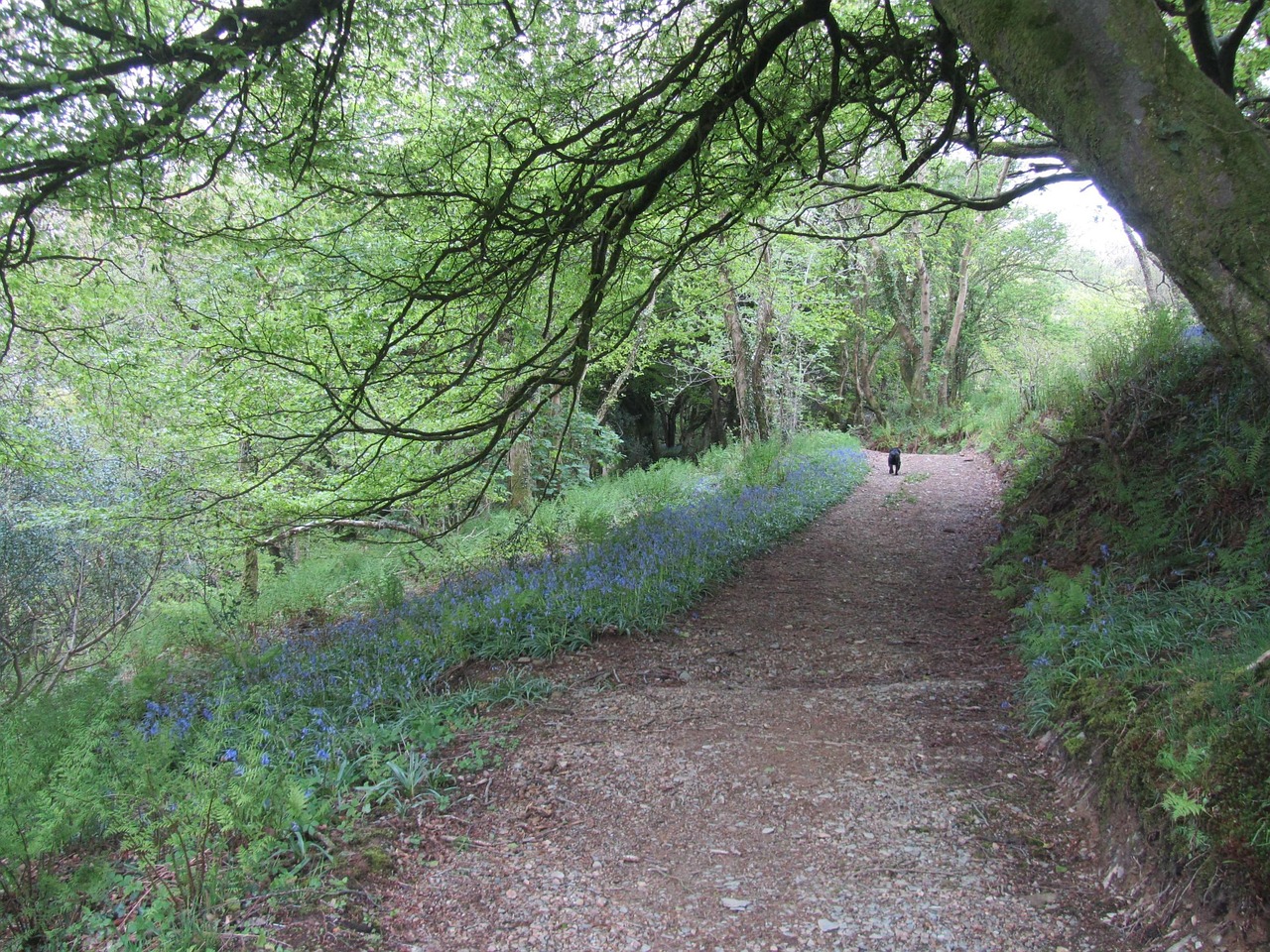
Dogs and the British hills are a natural pairing. A collie bounding along a ridge, a Labrador crashing through a stream, a terrier taking on a boulder field with total conviction — these are the images that make hillwalking what it is. But a dog on the fells is also a responsibility, and the difference between a wonderful day and a stressful one usually comes down to preparation and awareness.
The rules are not complicated, but they do matter. Get them right and your dog becomes the best walking companion you will ever have. Get them wrong and you risk livestock, wildlife, other walkers and your own dog's safety.
Sheep are the single biggest issue. During lambing season — roughly March to May — and at other times of year, ewes with lambs are extremely protective, and a loose dog can trigger a chase that ends badly for everyone. The rule in the national parks is clear: keep your dog on a short lead around livestock, and if you cannot see what is ahead, put the lead on anyway. If sheep do start to move, let go of the lead rather than risk being dragged into a confrontation. A loose dog will usually return; a dog on a lead with an angry ewe is a serious problem.
Ground-nesting birds are the other big one. Between March and July, birds like curlew, lapwing and skylark nest on open ground, and a dog running loose can destroy nests without anyone noticing. Many areas have seasonal dog restrictions for exactly this reason — check local signs and respect them, even if the restriction feels inconvenient.
Beyond that, the usual courtesies apply. Keep your dog under close control on busy paths. Put it on a lead near cliffs, on steep ground and around other walkers who may be nervous. And always, always pick up after your dog and carry the bag out with you. Leaving bags by the path is not a solution; it is littering with extra steps.
Your dog needs its own kit for a long day. A collapsible bowl and a litre of water is a good start — dogs drink more than you expect on the hill. Bring more food than you would at home, especially for a full day out. A towel, a basic pet first-aid kit and a spare lead are all worth the weight.
Fitness matters as much as it does for you. A dog that has never walked more than a mile in the park is not ready for a ten-mile fell day, no matter how enthusiastic it looks at the car park. Build up gradually, and watch for signs of overheating in summer and cold in winter. Pavement and rocky ground can burn or cut paws, so check them at the end of the day.
Never leave a dog in a parked car on a warm day, even briefly. Temperatures rise alarmingly fast, and it is one of the most common and preventable tragedies of the summer months. If you cannot take your dog with you, leave it at home.
Finally, think about whether the route suits your dog. Rocky scrambles, ladders and very steep descents are not for every breed or temperament. A gentler valley walk with a river to splash in is often a far better day out than a big summit. Know your dog, plan for it, and you will both come home tired, muddy and very happy.
