Skills & Safety
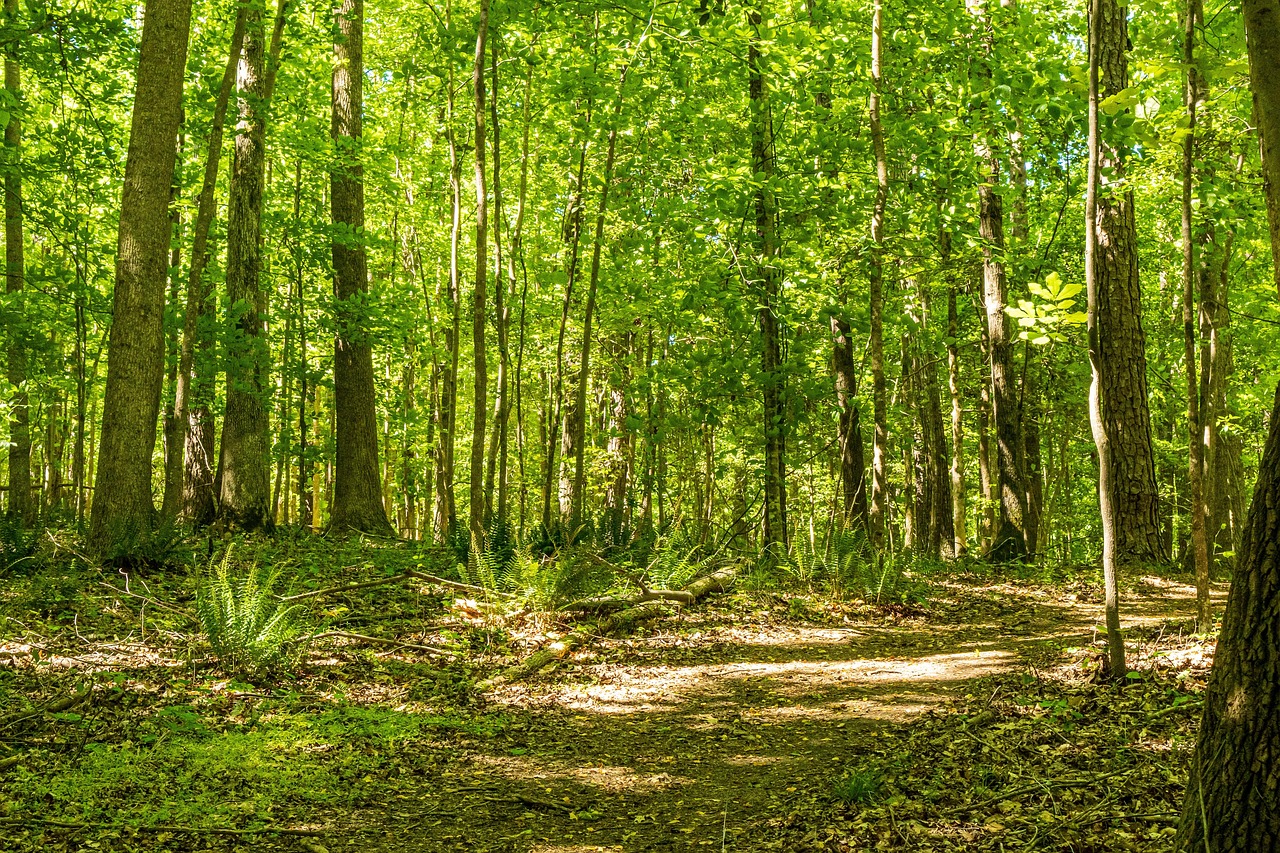
The UK's national parks are busier than they have ever been, and that is mostly a good thing. More people outside means more people who care about these places, and that care is what keeps them protected. But popularity comes with pressure. Paths erode, verges get trampled, litter appears in places it has no business being, and wildlife gets disturbed by dogs off leads and drones buzzing overhead. The good news is that most of the damage is avoidable, and the fixes are not complicated.
Start with the path. It sounds obvious, but staying on the trail is one of the single most effective things you can do. When walkers cut corners on switchbacks or spread out across fragile ground, they widen the scar and kill the vegetation that holds the soil together. On popular routes like Cat Bells, Helvellyn and Snowdon, this has been a real problem for decades, and it is why you will sometimes see stone pitching and erosion control work. Those repairs cost money and time, and they exist because too many people took shortcuts.
Litter is the most visible impact, and the easiest to solve. If you carry it in, carry it out, including apple cores, banana skins and orange peel, which take years to break down in upland conditions and can harm livestock. Tissues and wet wipes do not belong in the hills either. Bring a small bag for rubbish and a separate one for anything that needs to be packed out from a toilet stop. It is not glamorous, but it is part of being a responsible walker.
Food waste also attracts wildlife. Leaving scraps behind encourages rats, foxes and birds to rely on human food, which changes their behaviour and can put them at risk. Sealed containers and a bit of discipline solve this. If you are camping, store food securely and never leave anything out overnight.
Dogs are welcome on most open access land in England and Wales, but the rules are there for a reason. Between March and July, ground-nesting birds like skylarks and curlews are vulnerable, and dogs should be kept on a short lead on open access land during that period. Even outside the breeding season, a dog chasing sheep is a serious problem for farmers and can lead to livestock injury or worse. Keep them under control, pick up after them, and do not let them swim in sensitive tarns where they can disturb spawning fish or spread disease.
Finally, think about noise and crowds. Drones are banned in many national parks without permission, and Bluetooth speakers on the trail are a sure way to ruin someone else's quiet. The fells offer something increasingly rare: silence, space and a sense of scale. Protect that by keeping your own footprint small. Walk lightly, camp thoughtfully, take only photos, and leave the place better than you found it. That is the whole idea, and it is not hard to do.
